Russia and China are strengthening cooperation to develop the Northern Sea Route, expand cargo transportation, improve port services and build vessels for Arctic operations. Meanwhile, the European Union (EU) is seeking to strengthen its maritime capabilities in the region, but faces significant challenges in infrastructure, technology and competitiveness.
Russia and China Strengthen Arctic Shipping Cooperation
Russia and China are expanding cooperation on Arctic shipping corridors as the region becomes increasingly important to global trade, energy security and maritime strategy.
The two countries have agreed to increase cargo transportation along Arctic shipping routes, expand services between ports and cooperate on shipbuilding for polar operations. The move comes as the EU introduces a new Arctic strategy aimed at responding to the growing presence and ambitions of Moscow and Beijing.
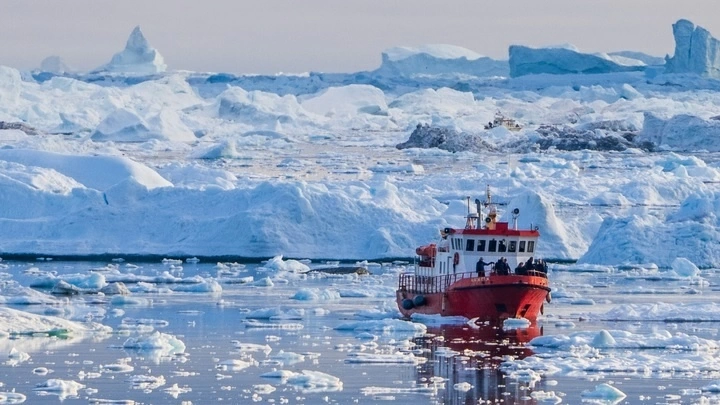
Russia holds a strategic advantage through its geographical position, control over the Northern Sea Route, transit permit system and extensive fleet of nuclear-powered icebreakers. China complements these capabilities by providing cargo volumes, maritime vessels, industrial capacity and potential investment in supporting infrastructure.
Europe, by comparison, has more limited icebreaking capabilities and Arctic-specific infrastructure. Although the continent is home to major shipping companies and a large consumer market, these advantages have yet to translate into comparable operational strength in the region.
Northern Sea Route Opens a New Shipping Corridor
The Northern Sea Route (NSR) is attracting growing attention as an alternative shipping corridor between Asia and Europe. As geopolitical disruptions expose the vulnerabilities of traditional maritime routes, Arctic shipping is emerging as a potential option for reducing transit times under suitable operating conditions.
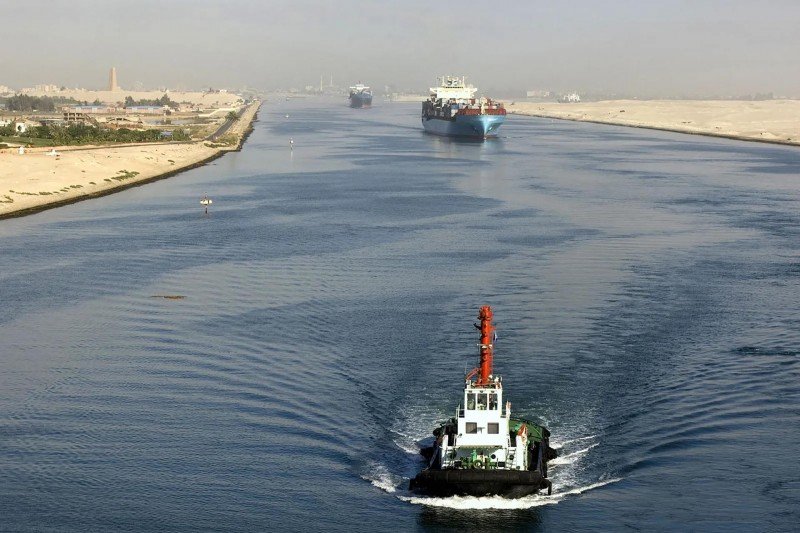
According to data cited from Fertmax FZCO, journeys through the Arctic could take approximately 18–22 days, compared with 28–35 days via the Suez Canal. This represents a potential reduction in transit time of around 35%, based on the estimates provided.
For Russia, the route creates opportunities to redirect energy exports towards Asian markets, particularly as Western sanctions restrict access to some traditional European markets. For China, it offers an additional trade corridor that could help diversify shipping options and reduce reliance on established maritime chokepoints.
However, the strategic value of the Arctic extends beyond shorter shipping distances. David Roche, a veteran strategist at Quantum Strategy & Geonomics, argues that closer economic ties between Russia and China may be among the most significant consequences of their Arctic cooperation.
Russia needs alternative markets for its energy exports, while China can benefit from additional energy supplies and emerging maritime connections. This relationship is strengthening the Arctic’s role in the broader economic and geopolitical alignment between the two countries.
EU Seeks to Strengthen Its Arctic Maritime Capabilities
As Russia and China expand their presence in the region, the EU is seeking to reinforce its maritime capabilities and protect its strategic interests.
The bloc’s new Arctic strategy proposes expanding icebreaking capacity, improving maritime surveillance and developing infrastructure to connect Arctic trade networks with European markets. The plan also includes proposals for a maritime security centre and stronger protection for undersea cables.
These measures reflect growing European concerns about military activity, maritime security and threats to critical infrastructure. However, closing the capability gap with Russia and China remains a significant challenge.
Alicia Garcia-Herrero, chief economist for Asia-Pacific and the Middle East and Africa at Natixis CIB, notes that Europe’s main advantages lie in its large consumer market and the presence of major shipping companies.
Nevertheless, these strengths may not be enough to offset Europe’s limitations in industrial capacity and specialised Arctic infrastructure. Many Western shipping companies remain cautious about using the route because of environmental risks, insurance requirements and sanctions-related restrictions.
Daeijin Lee, former global research director at Fertmax FZCO, has highlighted the obstacles Western companies face in complying with sanctions, insurance requirements and regulatory obligations. These factors can make Arctic shipping considerably less attractive to Western operators than to some Chinese businesses.
Europe therefore faces a strategic dilemma. Greater participation in Arctic shipping could create new commercial opportunities, but it could also increase dependence on infrastructure and regulatory arrangements controlled by Russia, at a time when the EU is seeking to reduce Moscow’s economic influence.
Arctic Shipping Grows but Remains Far from Replacing the Suez Canal
Despite its growing geopolitical importance, Arctic shipping still accounts for only a small share of global maritime trade.
According to figures attributed to Russia’s state nuclear corporation Rosatom and CNBC calculations based on data from the United Nations Conference on Trade and Development (UNCTAD), cargo transit along the Northern Sea Route reached 37.02 million tonnes in 2025. Global maritime trade volume stood at 12.72 billion tonnes in 2024.
A comparison of these figures puts Arctic transit cargo at approximately 0.3% of global seaborne trade. However, the figures relate to different years and may not be fully comparable in statistical scope.
According to the High North Logistics Centre, only around 3.2 million tonnes of cargo actually travelled through the entire Northern Sea Route. The remaining cargo primarily involved shipments originating from or destined for Russia’s Arctic regions.
Transit activity has nevertheless shown signs of growth. Data from the High North Logistics Centre through September 2026 recorded 104 confirmed transit voyages, carrying approximately 3.7 million tonnes of cargo. This exceeded the 3.2 million tonnes recorded for the entire 2025 shipping season.
Despite this increase, traffic remains dominated by Russian oil, liquefied natural gas (LNG) and other commodities rather than international container shipping.
Several operational barriers continue to limit the route’s commercial potential. Ice conditions restrict navigation during much of the year, while specialised vessels, insurance premiums and Russia-related costs can reduce the economic benefits of shorter transit distances.
Matthew Wright, an analyst at Kpler, has emphasised that the Northern Sea Route is not yet suitable as a replacement for established shipping corridors because businesses require reliable services that operate throughout the year.
In the near term, the Arctic is more likely to develop into a seasonal express shipping corridor for selected cargo types and specific trade routes than to become a direct substitute for the Suez Canal.
Arctic Shipping Emerges as a New Factor in Global Logistics
The growing partnership between Russia and China demonstrates that the Arctic is becoming more than a seasonal shipping route. It is increasingly a strategic arena for competition over trade, energy, industrial capacity and geopolitical influence.
For the logistics industry, the Northern Sea Route offers opportunities to diversify shipping corridors and potentially reduce delivery times on selected journeys. However, its commercial viability remains dependent on sea-ice conditions, specialised vessel availability, operating costs, insurance and schedule reliability.
While Russia and China continue to strengthen their advantages in infrastructure and Arctic operations, Europe must balance the commercial opportunities of a new shipping corridor against the risks of strategic dependence.
Although the Northern Sea Route is not yet capable of replacing the world’s major maritime corridors, it is becoming an increasingly important factor in the evolution of global shipping networks and supply chains.
Source:
https://baoquocte.vn
https://vov.vn
Viet Star Shipping Agency Co., Ltd.
📞 +84 3930 01002
📩 info@vssa.com.vn
🌐 www.vssa.com.vn
🏘️27-29 Ngo Thi Bi Street, Tan Hung Ward, Hochiminh City