Vietnam’s agricultural, forestry and fishery exports reached an estimated US$56.3 billion in the first nine months of 2026, up 7.8% year-on-year. However, translating export growth into tangible benefits for domestic consumers will require deeper processing, lower logistics costs and stronger links between producers, processors and retailers.
Vietnam’s Agricultural Exports Grow in the First Nine Months of 2026
According to the Ministry of Agriculture and Environment, Vietnam’s agricultural, forestry and fishery exports recorded an estimated total value of US$56.3 billion in the first nine months of 2026, an increase of 7.8% compared with the same period in 2025. The sector’s trade surplus reached approximately US$16.9 billion, up 7.4% year-on-year.
Agricultural products accounted for US$29.28 billion, followed by forestry products at US$14.41 billion and seafood at US$9.17 billion. Several product categories posted strong growth. Fruit and vegetable exports reached US$7.35 billion, up 19.9%, while seafood exports increased by 12.3%. Livestock products generated US$564.4 million, representing growth of 24.6%.
However, export performance varied across commodities. Coffee export volume reached 1.44 million tonnes, up 15.4%, but export revenue fell 7.3% to US$6.54 billion as the average export price declined by nearly 20%. Rice exports also weakened, with volume down 6.1% and export value falling 10.9% to approximately US$3.11 billion.
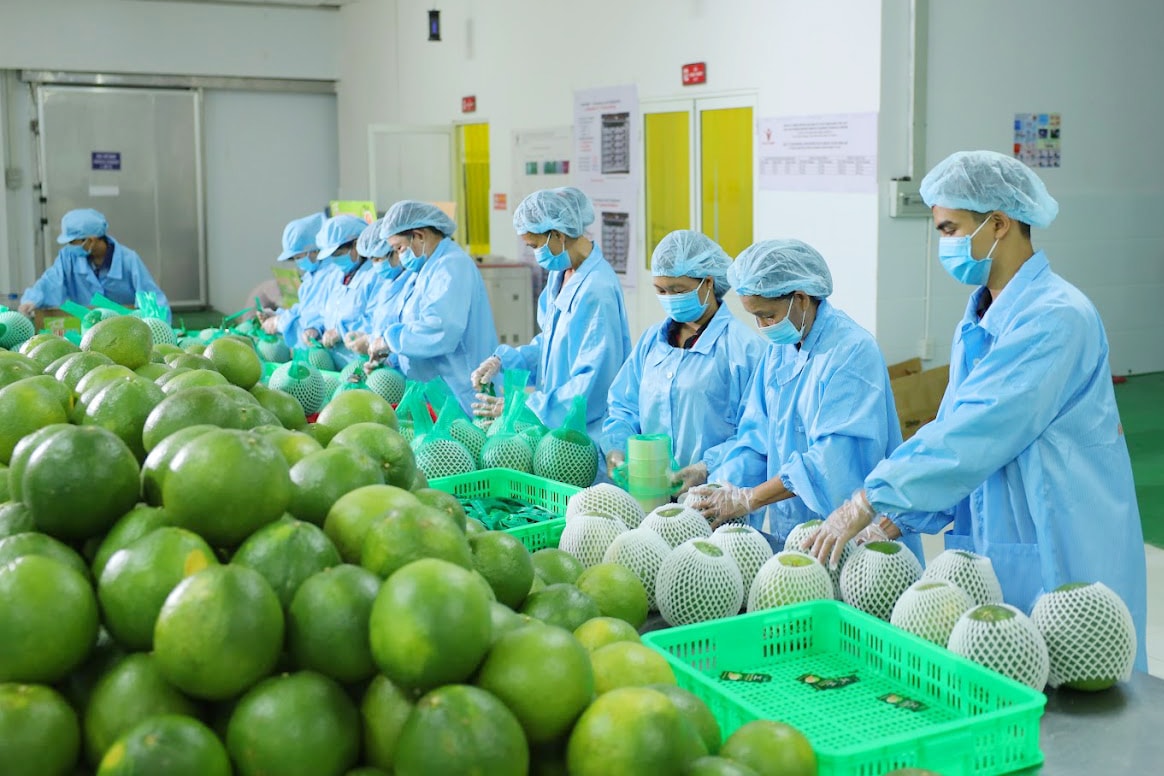
These figures show that higher export volumes do not necessarily translate into greater export earnings. To improve long-term value creation, Vietnam needs to move beyond raw and minimally processed products by investing in deeper processing, brand development and more efficient supply chains.
Why Rising Agricultural Exports Do Not Necessarily Lower Domestic Prices
Export growth encourages producers and businesses to improve product quality, strengthen traceability and upgrade preservation practices. However, these improvements do not automatically result in lower retail prices or better-quality products for domestic consumers.
Supply and demand are among the key factors influencing domestic prices. When export orders increase or overseas markets offer higher profit margins, businesses may prioritize export shipments. If domestic supply becomes constrained, retail prices may face upward pressure.
High intermediary costs also contribute to the gap between farmgate and retail prices. Agricultural products often pass through several stages, including collection, grading, preliminary processing, storage, transportation and retail distribution. When these activities are poorly coordinated, repeated handling, prolonged storage and inefficient distribution can increase the final cost to consumers.
Post-harvest losses represent another major challenge. Inadequate cold storage and preservation facilities can lead to spoilage and quality deterioration, increasing costs throughout the supply chain.
Therefore, enabling domestic consumers to benefit from export growth requires more than expanding overseas sales. Vietnam must also strengthen domestic supply, reduce distribution costs and improve the efficiency of agricultural logistics.
Strengthening Links Between Farmers, Processors and Retailers
According to Tran Thi Phuong Lan, Chairwoman of the Vietnam Association of Retailers (AVR), the market needs to move beyond short-term supply-demand matching toward regular cooperation among producers, processors, exporters and retailers.
Under this approach, retailers can share information on consumer demand, quality requirements, packaging specifications and expected volumes with cooperatives and farmers. Producers can then align planting and harvesting plans with actual market needs, helping reduce localized oversupply, ease pressure during peak harvest seasons and stabilize prices.
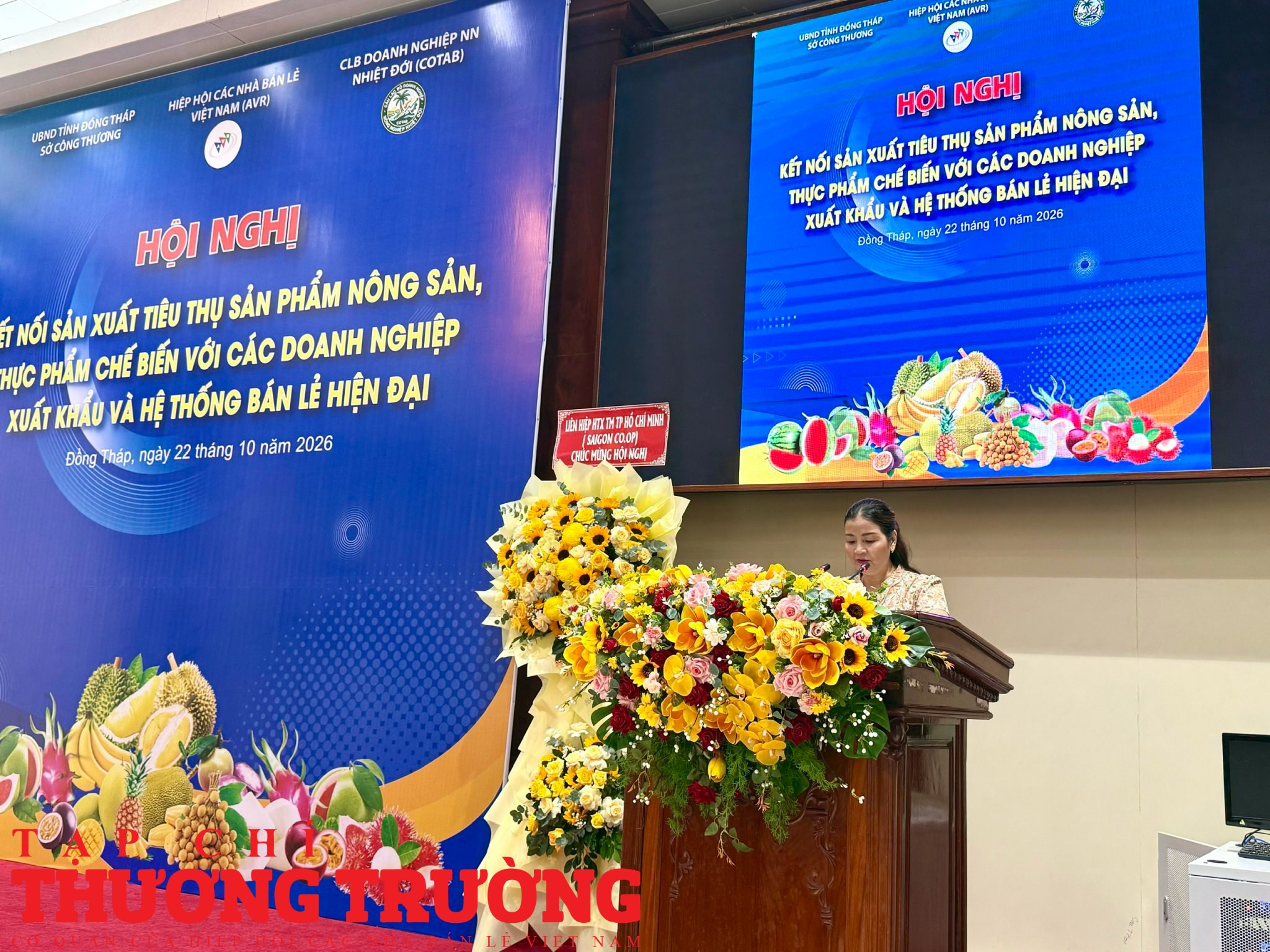
Stakeholders should also establish clear agreements on product standards, delivery schedules, volumes and purchasing conditions before the production season begins. Transparent contracts can help reduce risks for farmers while ensuring a more reliable supply for processors and retailers.
Consistent quality, food safety and traceability standards are equally important. These practices should serve not only export markets but also products sold domestically, allowing Vietnamese consumers to access safer and more reliable agricultural goods.
Deep Processing and Logistics: Key to Lower Supply Chain Costs
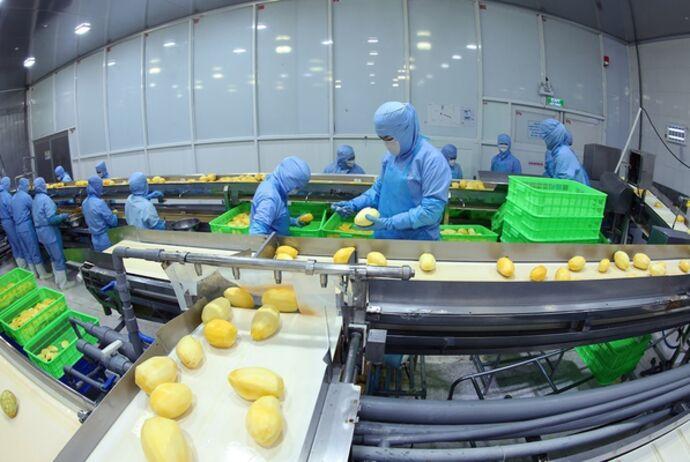
Deep processing is essential to increasing the value of Vietnam’s agricultural products. Rather than relying primarily on fresh or minimally processed goods, businesses can develop processed foods, convenience products and items with longer shelf lives.
This approach diversifies sales channels, reduces pressure during peak harvest periods and helps limit post-harvest losses. However, the extent to which processing lowers overall costs depends on factors such as raw material prices, technology, energy, packaging and distribution expenses.
At the same time, investment in agricultural logistics is critical to both export performance and domestic consumption. Cold storage facilities, suitable transportation, digital order management and market data systems can reduce spoilage, shorten delivery times and improve the distribution of agricultural products across regions.
Applying appropriate quality standards to products sold domestically is also important. Better control over product quality, labeling, traceability and preservation can help consumers make informed choices and access safer agricultural products.
Developing the Domestic Market Alongside Exports
Vietnam’s domestic market should not be treated merely as an alternative outlet when export demand weakens. Instead, it should form an integral part of the agricultural sector’s long-term development strategy.
Retail networks can help businesses test new products, collect customer feedback and adjust packaging, product varieties and supply volumes. Data on demand, inventory and sales performance can also help producers and distributors develop more accurate production and delivery plans.
For cooperatives and small businesses, access to technology, quality standards, packaging solutions, branding support and e-commerce platforms can create additional opportunities to reach domestic consumers.
Support programs should be evaluated not only by the number of business-matching activities but also by measurable outcomes, including sustained sales contracts, transaction value, consistent product turnover and improvements in farmers’ incomes.
Agricultural Export Growth Must Deliver Benefits at Home
Vietnam’s agricultural, forestry and fishery exports reaching US$56.3 billion in the first nine months of 2026 demonstrate the sector’s scale and potential. However, the value of this growth should not be measured solely by revenue generated in overseas markets.
An efficient agricultural supply chain should also improve farmers’ incomes, reduce post-harvest losses, raise product quality and enable domestic consumers to access safe agricultural products at reasonable prices.
Achieving these goals requires stronger coordination across production, processing and distribution, continued investment in logistics infrastructure and cold storage, and the development of the domestic market alongside exports. When every link in the supply chain operates more efficiently, the benefits of export growth can extend further to businesses, producers and consumers.
Source:
https://thuongtruong.com.vn
https://nongnghiepmoitruong.vn
Viet Star Shipping Agency Co., Ltd.
📞 +84 3930 01002
🏘️27-29 Ngo Thi Bi Street, Tan Hung Ward, Hochiminh City