Shifting the mindset from developing logistics services to building national logistics capacity is a strategic imperative to boost competitiveness and transform Vietnam into a regional and global cargo transit and distribution hub. Establishing a National Logistics Committee and enacting a dedicated Logistics Law have been proposed as two breakthrough institutional solutions.
Transforming Mindsets to Elevate National Logistics Capacity
During a working session with the Government Party Committee on November 2, General Secretary and State President Tô Lâm emphasized the critical need to transition strongly from a mindset focused solely on logistics service development to one centered on building comprehensive national logistics capacity. This represents not merely a change in approach toward a service sector, but a strategic direction aimed at enhancing transport organization, infrastructure connectivity, supply chain management, and the overall competitiveness of the economy.
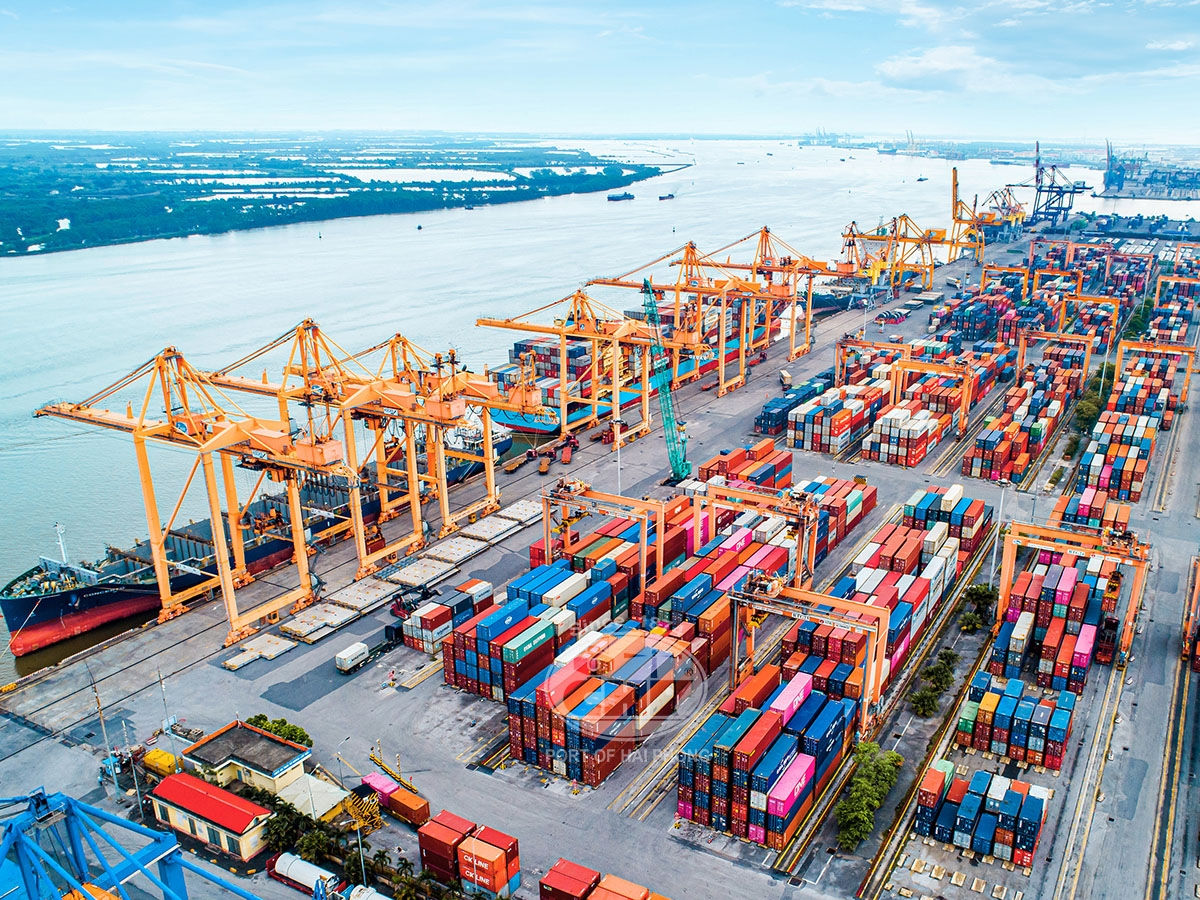
According to Dr. Bùi Thiên Thu, Professor at Okayama University (Japan), Permanent Vice Chairman of the Vietnam Association of Ports, Waterways, and Continental Shelf, and former Director-General of the Vietnam Inland Waterways Administration, this directive sets out a requirement for a fundamental renewal of logistics governance. It integrates the sector into the nation’s overarching development strategy, aligning it with green transformation, digital transformation, and deep integration into the global value chain.
In reality, Vietnam’s logistics costs currently hover around 16–17% of GDP, significantly higher than the global average of 10–12%. This is a major factor inflating product prices and dampening the competitiveness of Vietnamese goods in the international market.
The root causes stem not only from transportation costs but also from inadequacies in transport organization, infrastructure connectivity, enterprise capacity, and state management mechanisms. Fragmented management across ministries, sectors, and localities has hindered cross-sector coordination from achieving desired outcomes.
Major Bottlenecks Holding Back Vietnam’s Logistics
One prominent inadequacy is the irrational structure of freight transport. Currently, road transport accounts for approximately 70% of cargo volume, while inland waterways and railways have yet to fulfill their potential.
A lack of synchronous connectivity between transport modes and major seaport systems forces goods to rely heavily on roads. In key economic regions like the Southeast and the Red River Delta, transport infrastructure, seaports, and logistics centers are not effectively connected, leading to congestion, extended transit times, and surging waiting costs.
In international maritime transport, foreign shipping lines control about 95% of the market share. This leaves Vietnamese enterprises passive in international transport while exposing them to numerous surcharges, such as port congestion fees, empty container storage fees, and fuel surcharges.
Meanwhile, the majority of domestic logistics enterprises are small and medium-sized enterprises (SMEs), constrained by limited capital, low technology investment capacity, and basic supply chain management skills. The adoption of Warehouse Management Systems (WMS) and Transportation Management Systems (TMS) remains sparse, limiting operational efficiency and cost optimization.
Another bottleneck is the unprofessional nature of logistics service models. Many companies still handle transport in-house or hire individual services piecemeal rather than utilizing integrated solutions like 3PL/4PL. This approach increases administrative costs, diminishes resource optimization, and weakens overall supply chain efficiency.
Furthermore, specialized inspection procedures remain complex and fragmented across multiple regulatory bodies. Prolonged customs clearance and storage times not only drive up direct costs but also disrupt delivery schedules and corporate competitiveness.
Restructuring Transport and Developing Multimodal Logistics
To address these bottlenecks, the immediate priority is to restructure transport market share to reduce reliance on road transport while scaling up inland waterway and rail transport.
Crucially, investment must prioritize connecting inland waterways with major seaports alongside developing dry ports (ICDs) and multimodal logistics centers in key economic regions.
Establishing unified transport corridors will facilitate smooth cargo flows between seaports, waterways, railways, and highways. This will minimize overlapping transportation, curb empty running vehicles, and optimize logistics costs.
For international maritime transport, preferential tax policies, shipbuilding credits, and crew training programs should be explored to gradually restore and expand Vietnam’s ocean-going fleet. Simultaneously, stronger oversight mechanisms must be enforced to compel foreign shipping lines to publicly and transparently list surcharges.
For domestic logistics enterprises, establishing a Digital and Green Transition Support Fund should be considered to help businesses access technology investment capital and upgrade warehouse and transport management systems.
Tax incentives for businesses outsourcing end-to-end 3PL/4PL logistics services should also be researched to encourage specialization, elevate operational efficiency, and cultivate large-scale domestic logistics corporations.
Notably, building a National Logistics Data Platform is vital for information connectivity among supply chain stakeholders. The ultimate goal is to automate customs clearance and specialized inspection procedures, minimize red tape, bring transparency to management activities, and eliminate informal costs.
Establishing a National Logistics Committee: Creating a Unified Coordination Hub
According to Dr. Bùi Thiên Thu, infrastructure, technology, and corporate development solutions will struggle to reach their full potential without a unified coordination mechanism at the national level.
This serves as the foundation for proposing the establishment of a National Logistics Committee, viewed as one of two vital institutional breakthroughs to elevate Vietnam’s logistics capacity.
In practice, logistics activities intersect with various domains such as transport, industry and trade, finance, customs, planning, investment, trade, and digital transformation. When responsibilities are scattered across multiple ministries, sectors, and localities, cross-sector policy implementation easily leads to overlaps, lack of continuity, and blurred accountability.
Thailand’s experience highlights the value of a unified logistics coordination mechanism. The Thai government established a national logistics coordination committee chaired by a Deputy Prime Minister, helping to enhance cross-sector coordination, foster a national single-window mechanism, and develop infrastructure tailored for SMEs.
Drawing from this experience, Vietnam can study a National Logistics Committee model functioning as a high-level inter-sectoral steering and coordination body.
This body could focus on key missions: coordinating transport infrastructure planning with international logistics center systems; directing the development of a shared logistics data platform; connecting and coordinating specialized inspection activities among ministries and sectors; and researching and piloting modern free trade zone models in Hải Phòng, Đà Nẵng, and Ho Chi Minh City.
If designed with clear authority, responsibilities, and coordination mechanisms, the National Logistics Committee will help resolve fragmented governance and ensure consistency in policymaking and national logistics strategy execution.
Enacting a Logistics Law: Completing the Legal Framework for a New Era
Alongside a unified coordination mechanism, enacting a dedicated Logistics Law represents the second breakthrough institutional direction.
Currently, the legal framework governing Vietnam’s logistics activities is primarily scattered across the 2005 Commercial Law, Decree No. 163/2017/NĐ-CP, and various regulations within specialized transport and sectoral laws.
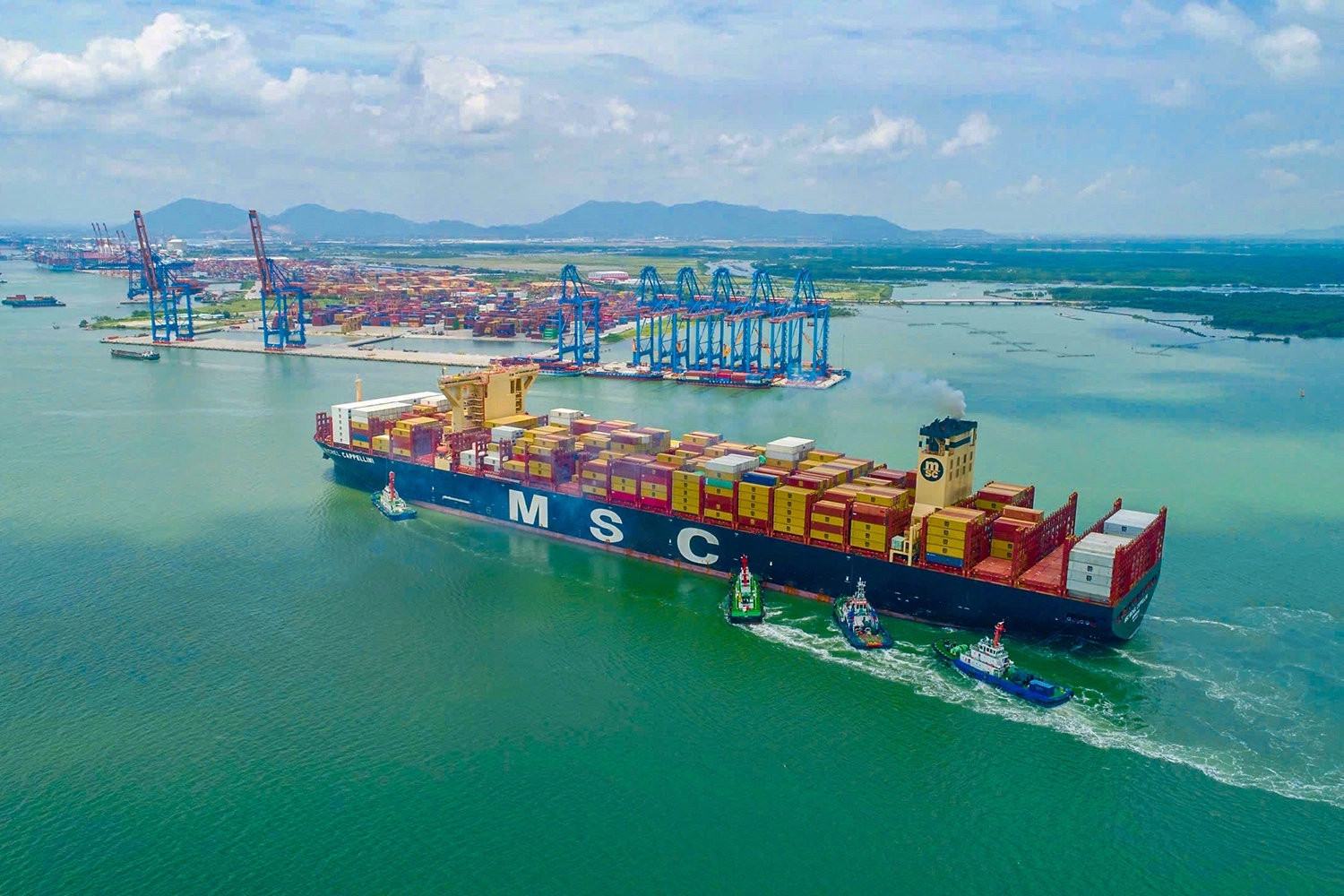
Such dispersed regulations result in a fragmented legal framework that fails to comprehensively regulate logistics activities amid increasingly complex supply chains and mounting demands for digital and green transitions.
Japan’s experience with the Act on Optimization and Efficiency of Logistics demonstrates that modern governance trends extend beyond transport providers to encompass shippers and other supply chain participants.
Key lessons to borrow include establishing clear shipper responsibilities regarding minimizing vehicle waiting times, improving supply chain governance, and addressing inefficiencies arising from multi-tiered subcontracting systems.
Based on this, the National Assembly and the Government can explore formulating a Logistics Law tailored to Vietnam’s practical conditions.
The law should aim to institutionalize electronic documentation and enhance data connectivity among customs, seaports, and transport providers. This forms the bedrock for a digital logistics ecosystem, reducing paperwork and enhancing transparency in cargo handling.
Simultaneously, green logistics requirements must be integrated into regulatory frameworks through emission standards, tax incentives, and green credit policies dedicated to transport fleets, smart warehouses, and energy-saving solutions.
Another critical content area is clearly defining the responsibilities of shippers, transport operators, and warehouse managers in organizing and running logistics chains. Furthermore, land-use and capital incentive policies should be researched to facilitate the growth of large-scale domestic logistics conglomerates capable of competing internationally.
Institutional Breakthroughs to Make Vietnam a Regional Logistics Hub
Shifting from a mindset of developing logistics services to building national logistics capacity marks a strategic turning point for Vietnam’s economy.
Amid fierce international trade competition, logistics is no longer merely about transportation, warehousing, or freight forwarding; it has evolved into a vital pillar of national competitiveness and integration into global value chains.
To effectively harness geographical advantages, expand seaport systems, develop transport corridors, and attract international transit cargo, Vietnam must simultaneously tackle bottlenecks spanning infrastructure, corporate capability, technology, and institutions.
Among these, studying the establishment of a National Logistics Committee and enacting a Logistics Law serve as foundational milestones. One establishes a unified coordination mechanism, while the other sets up a synchronized legal framework, allowing logistics development policies to be executed consistently and effectively.
Achieving the goal of reducing logistics costs to below 12% of GDP, promoting green and digital transitions, and upgrading domestic enterprise capabilities requires long-term, interconnected solutions executed with resolute determination.
This also serves as a crucial premise for Vietnam to step-by-step become a regional and global cargo transit and distribution hub, making practical contributions to economic growth and elevating the nation’s standing in the global supply chain.
Source:
https://daibieunhandan.vn
https://vimc.co
Viet Star Shipping Agency Co., Ltd.
📞 +84 3930 01002
🏘️27-29 Ngo Thi Bi Street, Tan Hung Ward, Hochiminh City