Discover the major seaports in Vietnam, their strategic locations, and their role in international trade and logistics. Learn why Vietnam’s ports are vital to global supply chains.
Vietnam has become one of Southeast Asia’s fastest-growing trade and manufacturing hubs. With a coastline stretching over 3,260 kilometers, the country relies heavily on its seaport network to support international trade, import and export activities, and economic development. Today, Vietnam’s modern seaport system connects businesses with major global markets across Asia, Europe, and the Americas.
1. Hai Phong – Port Located in northern Vietnam, Hai Phong Port serves as the country’s primary gateway for cargo moving to and from Hanoi and the northern economic region. The deep-water Lach Huyen terminals enable the port to accommodate large container vessels, making it one of Vietnam’s most important international gateways.
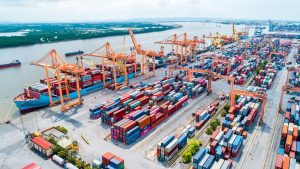
2. Cai Mep – Thi Vai Port Situated in Ba Ria–Vung Tau Province, Cai Mep–Thi Vai is one of Vietnam’s largest deep-water port complexes. It is capable of handling ultra-large container vessels on direct shipping routes to Europe and North America without requiring transshipment, significantly improving shipping efficiency.
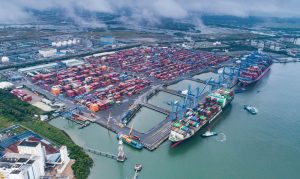
3. Ho Chi Minh City – Port Ho Chi Minh City Port remains one of Vietnam’s busiest commercial ports, supporting manufacturing industries, importers, exporters, and logistics providers throughout southern Vietnam. The port continues to play a vital role in regional and international trade.
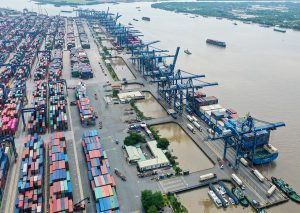
4. Da Nang – Port Strategically located in central Vietnam, Da Nang Port serves as an important logistics gateway connecting the East–West Economic Corridor with neighboring countries such as Laos and Thailand. It supports both cargo transportation and regional economic development.
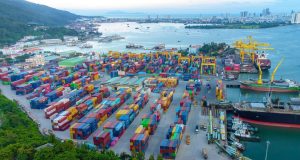
Why Vietnam’s Seaports Matter
Vietnam’s seaports are essential to the country’s continued economic growth. They facilitate international trade, improve supply chain efficiency, attract foreign investment, and strengthen Vietnam’s position as a regional logistics hub. According to Vietnam’s national seaport development plan, the government continues investing in modern port infrastructure to increase cargo handling capacity and support future trade growth.
Conclusion
As Vietnam continues expanding its role in global trade, its major seaports will remain critical to the country’s logistics network. Understanding these key maritime gateways helps businesses make better shipping decisions and improve supply chain planning.
Sources:
Viet Star Shipping Agency Co., Ltd.
 +84 3930 01002
 info@vssa.com.vn

 27-29 Ngo Thi Bi Street, Tan Hung Ward, Hochiminh City