Vietnam has become one of Southeast Asia’s fastest-growing maritime and logistics hubs, supported by expanding international trade, modern port infrastructure, and increasing foreign investment. As global supply chains continue to evolve, Vietnam plays an increasingly important role in connecting manufacturers, exporters, and importers with markets worldwide.
Despite these opportunities, the shipping industry still faces several operational challenges that can affect delivery schedules, transportation costs, and overall supply chain efficiency. Understanding these challenges and implementing effective solutions can help businesses reduce risks and improve logistics performance.
1. Port Congestion
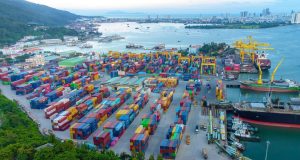
As cargo volumes continue to grow, major ports in Vietnam occasionally experience congestion, particularly during peak shipping seasons. High vessel traffic may result in longer waiting times for berthing, cargo handling delays, and increased operational costs.
How to overcome it:
– Plan shipments well in advance.
– Monitor vessel schedules regularly.
– Work with an experienced shipping agency that provides real-time operational updates and port coordination.
2. Complex Customs Procedures
International shipments require accurate documentation and compliance with customs regulations. Errors in shipping documents or incomplete declarations can lead to customs delays, additional inspections, or unexpected costs.
How to overcome it:
– Prepare all shipping documents carefully before cargo arrival.
– Stay updated on Vietnam’s customs requirements.
– Seek professional support to ensure smooth customs clearance.
3. Rising Transportation Costs
Global fuel prices, freight rate fluctuations, and operational expenses continue to impact shipping costs. Businesses must carefully manage logistics budgets while maintaining reliable transportation services.
How to overcome it:
– Optimize shipping schedules and cargo planning.
– Consolidate shipments whenever possible.
– Partner with logistics providers that offer cost-effective transportation solutions.
4. Supply Chain Disruptions
Unexpected events such as severe weather, port congestion, geopolitical tensions, or changes in global trade routes can interrupt supply chains and delay cargo deliveries.
How to overcome it:
– Develop contingency plans for unexpected disruptions.
– Maintain clear communication with logistics partners.
– Track shipments continuously to respond quickly to changes.
5. Increasing Environmental Regulations
The global shipping industry is moving toward greener and more sustainable operations. Shipping companies are expected to comply with stricter environmental regulations, reduce emissions, and improve energy efficiency.
How to overcome it:
– Stay informed about international maritime regulations.
– Adopt environmentally responsible shipping practices whenever possible.
– Work with partners committed to sustainable logistics solutions.
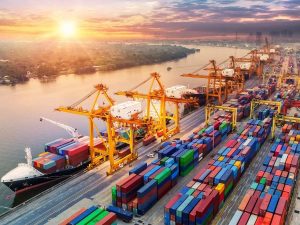
Vietnam’s shipping industry continues to offer tremendous opportunities for international trade. While challenges such as port congestion, customs procedures, rising costs, supply chain disruptions, and environmental regulations remain, they can be effectively managed through careful planning and strong industry partnerships.
Choosing a reliable shipping agency with local expertise can help businesses navigate these challenges, improve operational efficiency, and ensure smoother cargo movements. As Vietnam strengthens its position as a regional logistics hub, proactive logistics planning will remain a key factor in long-term business success.
Sources:

Viet Star Shipping Agency Co., Ltd.
 +84 3930 01002
 info@vssa.com.vn

 27-29 Ngo Thi Bi Street, Tan Hung Ward, Hochiminh City